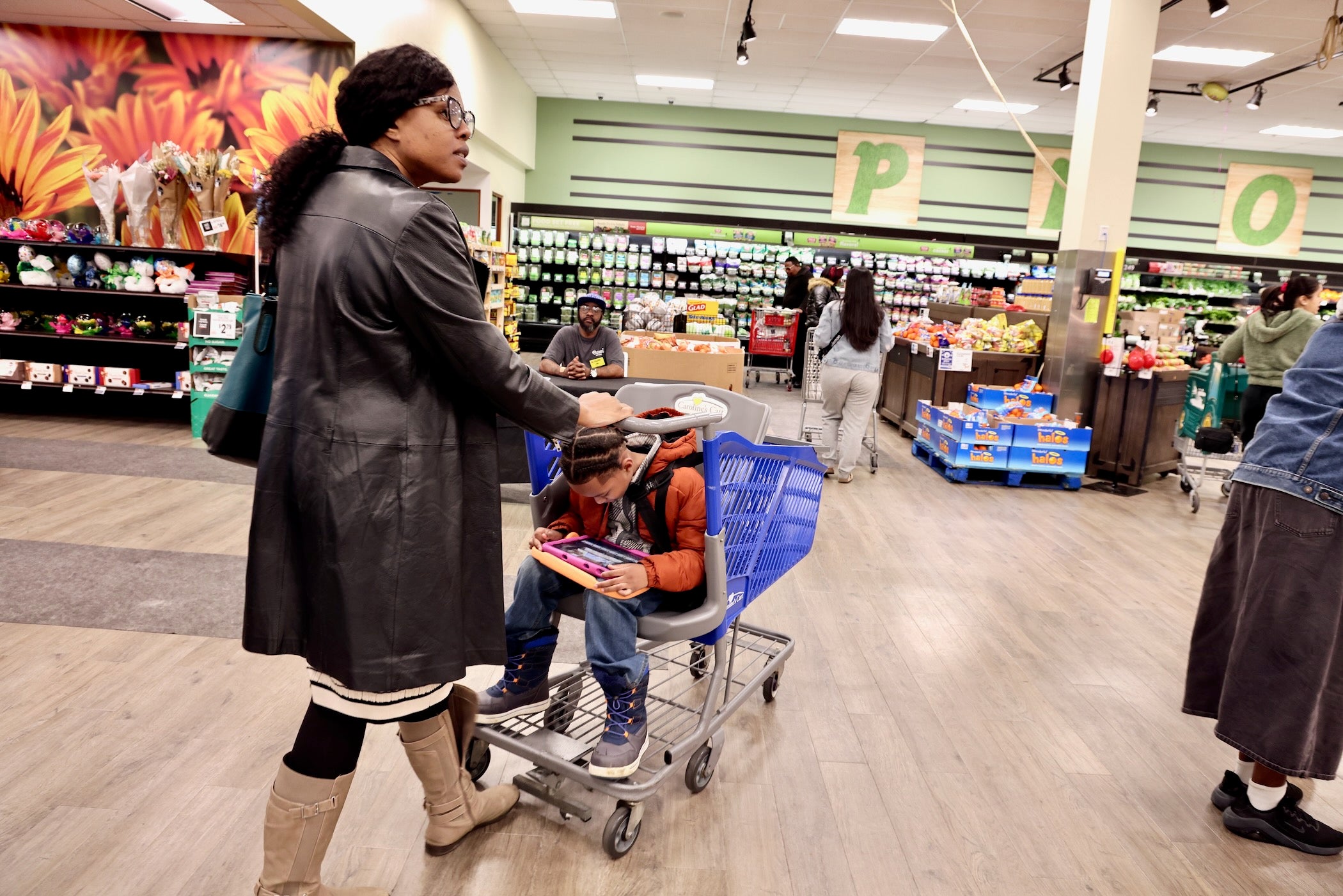
A parent in Philadelphia has raised concerns about the limited availability of shopping carts equipped for children with special needs. Many stores lack accessible carts that accommodate children with disabilities, making shopping trips more challenging for families.
According to the parent, stores often do not offer carts with additional support or safety features tailored for children with mobility or sensory challenges. This gap in accessible shopping options can cause stress and inconvenience for families who require special accommodations for their children.
Accessibility in retail environments is crucial for ensuring that all families can shop comfortably and independently. Experts emphasize that stores should consider providing specialized carts or other supportive equipment to better serve children with disabilities and their caregivers.
Advocates suggest that store owners and managers can improve inclusivity by investing in accessible shopping solutions. This could include installing carts with harnesses, adjustable seats, or sensory-friendly features designed to meet diverse needs.
Parents also call for increased awareness and proactive steps from retailers to address this issue. Creating an inclusive shopping environment not only benefits families with special needs children but also promotes community engagement and equality.
As awareness grows, some stores have begun to implement more accessible options, but many still fall short of meeting the needs of all customers. Continued advocacy and policy changes are necessary to ensure that shopping becomes a more accessible experience for everyone, regardless of their physical or sensory challenges.
Ultimately, fostering an inclusive retail environment requires collaboration between store owners, policymakers, and community members. By prioritizing accessibility, stores can help create a more welcoming and equitable shopping experience for families with children with special needs.